
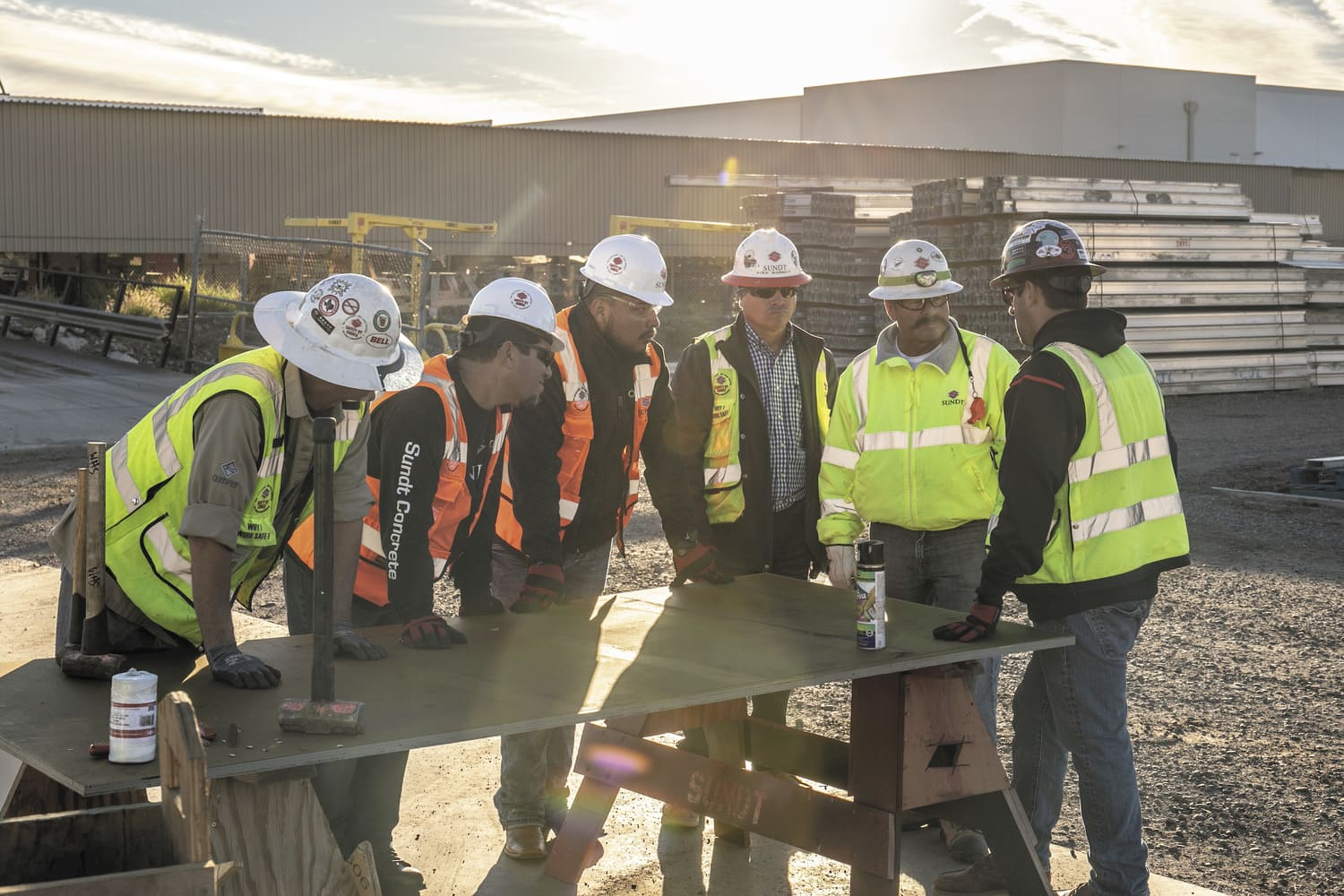

AGC of Utah Mental Health Summit Recap: Building a Stronger, Safer, and More Supportive Industry
AGC of Utah recently brought together construction leaders, safety professionals, HR teams, supervisors, and industry partners for the 2026 Construction Mental Health Summit, a day focused on one of the most important conversations facing our industry.
Mental health in construction is not just a personal issue. It is a safety issue, a leadership issue, a workforce issue, and a culture issue. Throughout the summit, presenters and attendees explored how companies can move beyond simply recognizing the problem and begin building practical systems of support for their people.
The message throughout the day was clear: construction has the tools, leaders, and relationships needed to make a difference. The next step is making mental health part of everyday jobsite culture, not just something we talk about after a crisis.
Morning Keynote: Battling the Stigma: Mental Health in Construction
David J. Skuppin (Okland Construction)
The summit opened with a powerful keynote focused on the stigma surrounding mental health in construction. The presentation addressed the traditional “tough it out” mindset that has long existed in the industry and challenged attendees to rethink what strength looks like on the jobsite.
The keynote emphasized that mental health challenges affect workers at every level of construction, from field crews and foremen to project managers, executives, and company owners. Stress may look different depending on someone’s role, but no one is immune to pressure, anxiety, depression, substance misuse, or isolation.
A major theme of the session was the disconnect between how many people are willing to support someone who is struggling and how many people still feel ashamed or afraid to ask for help. The presenter encouraged leaders to model vulnerability, create real support systems, and make it clear that asking for help will not lead to judgment, lost trust, or professional consequences.
The session also highlighted practical company-level tools, including mental health toolbox talks, jobsite stand-downs, suicide awareness training, employee benefits, therapy access, and industry resources that can help companies start or strengthen their own mental health efforts.
Resources from this session:
Powerpoint
Leadership, Culture and Support After Incidents: The Effect They Can Have
Amanda Kaprowski (Komatsu)
This breakout session focused on what happens after an incident, not just in the investigation, but in the hearts and minds of the people involved.
The presenter reminded attendees that while an incident may end in minutes, the effects of leadership can last for years. When something happens on a jobsite, employees remember the first response. They remember whether the first question was “How much damage?” or “Are you okay?”
The session explored the emotional aftermath that can follow even a seemingly minor incident. A worker may continue replaying what happened, lose confidence, experience guilt or shame, or worry about how their crew views them. That is why leaders must think beyond paperwork, root causes, and corrective actions.
Attendees discussed the importance of checking on employees before, during, and after the investigation process. The strongest leaders do not disappear after the report is complete. They follow up days, weeks, and months later. They listen. They reduce blame. They connect people to support. They help employees rebuild confidence.
The session closed with a powerful reminder: employees may not remember every detail of the investigation, but they will remember who called, who showed up, who listened, and who stood beside them.
Resources from this session:
PowerPoint
Caring Communities
Brook Anderson (NAMI Utah)
The Caring Communities session focused on how to support people who have been affected by suicide loss. This session introduced the idea of “postvention,” the support that happens after a suicide loss, and why it matters for families, coworkers, crews, and communities.
The presenter discussed the importance of using safe and compassionate language. Rather than saying someone “committed suicide” or describing an attempt as “successful” or “failed,” attendees were encouraged to use language such as “died by suicide” or “suicide attempt survivor.” These small language shifts help reduce shame and stigma for those who are grieving or recovering.
A major takeaway was that grief looks different for everyone. The relationship, culture, family dynamics, faith background, work environment, and personal history of each person can shape how they experience loss. For construction teams, where camaraderie and responsibility run deep, suicide loss can carry additional layers of guilt and confusion.
The session provided practical guidance for starting supportive conversations. Attendees were encouraged to say the person’s name, time the conversation thoughtfully, ask questions, reflect feelings back, and leave the door open for future support. Instead of asking a broad “How can I help?” attendees were encouraged to offer specific help, such as meals, errands, childcare, rides, or everyday tasks that may feel overwhelming during grief.
Resources from this session:
Additional Resources
Employee Retention & Mental Health
Heidi McNulty (Pro Trades Solutions)
This session connected mental health directly to retention, safety, productivity, and company culture. The presenter challenged attendees to think of mental health not as a side benefit, but as a core part of how companies attract, support, and retain good people.
The session emphasized that employees stay when they feel a sense of pay, purpose, belonging, and support. While wages matter, workers are also looking for companies that care about them as people. When employees feel seen and supported, they are more likely to stay, perform well, work safely, and speak positively about their company.
Attendees discussed many of the realities that can weigh on construction workers, including long hours, pain, fatigue, travel, financial stress, layoffs, family strain, and isolation. The presenter encouraged companies to look honestly at how schedules, jobsite assignments, travel expectations, overtime, and supervisor behavior can affect mental health.
The session also highlighted QPR, Question, Persuade, Refer, as a practical training that can help supervisors and company leaders ask direct questions, respond appropriately, and connect people with help. The key message was that supervisors do not have to become therapists. They need to notice, ask, listen, and connect.
The presenter also encouraged companies to build recovery-friendly cultures, train for overdose response, protect employee privacy, reduce bullying and retaliation, and create clear pathways for workers to access help before a situation reaches crisis.
Resources from this session:
PowerPoint
Mental Health, Substance Use and Suicide Prevention
Sean Morris (Wasatch Crest)
This session focused on the connection between mental fitness, substance use, suicide prevention, and workplace support. The presenter framed mental health in a way that many in construction can relate to: just as physical fitness can vary from day to day, mental fitness can also be affected by stress, pressure, trauma, relationships, financial strain, and work demands.
A powerful portion of the session included a personal story from someone in the construction industry who shared his experience with alcoholism and recovery. His story challenged the idea that “functioning” means someone is okay. He continued showing up to work, meeting responsibilities, and providing for his family while privately struggling with addiction.
The session emphasized that addiction and mental health struggles often develop gradually. People may hide what they are experiencing because they fear losing their job, disappointing their family, or being seen as weak. For employers, this means the workplace can play a critical role in recognizing warning signs and connecting people with help.
One of the strongest messages from this session was the importance of balancing accountability with grace. Employers still need policies, expectations, and consequences, but they can also respond in a way that keeps the person’s humanity at the center. A caring workplace can be a protective factor when someone is struggling.
Attendees were reminded that support does not always require having the perfect words. It can begin with noticing a change, asking if someone is okay, offering resources, and making it clear that the person is not alone.
Afternoon Keynote: Frontline Leadership and Mental Health
Randi Billingsley-White (Beck Construction & Excavation)
The summit closed with a keynote focused on the role of frontline leadership in shaping company culture. The presenter emphasized that mental health does not begin at the point of crisis. It is shaped long before that through ordinary daily moments, including how leaders communicate, how they respond to mistakes, how they onboard new employees, and how they react under pressure.
For many field employees, the foreman is the company. Workers may rarely interact with ownership or HR, but they interact with their foreman every day. That means frontline leaders have enormous influence over whether employees feel respected, safe asking questions, willing to report concerns, and comfortable speaking up when something is wrong.
The keynote explored psychological safety in a construction context. Psychological safety does not mean lowering standards or avoiding accountability. It means employees can ask questions, admit confusion, report issues, and tell the truth early enough for leaders to respond.
The presenter shared practical ways to build healthier crews, including stronger onboarding, assigning new employees a go-to person, clearly explaining expectations, correcting the work without attacking the person, and checking in when someone begins showing up differently.
The closing message brought the summit full circle: culture is not built by slogans on a wall. It is built through repeated daily actions. Leaders set the tone before pressure sets it for them.
Resources from this session:
PowerPoint
Key Takeaways from the Summit
Across every session, several themes came through clearly:
Mental health must be part of safety culture. Companies already invest heavily in physical safety. The summit challenged attendees to bring that same seriousness and structure to mental health, substance use prevention, suicide prevention, and recovery support.
Leaders do not have to be therapists. They do need to notice when someone is struggling, ask better questions, listen without judgment, and know where to connect people for help.
Culture is built before a crisis. The way employees are treated every day determines whether they will speak up when they need help. Trust cannot be created in the middle of an emergency if it has not been built beforehand.
Language matters. The words we use around suicide, addiction, and mental health can either increase stigma or make it easier for people to talk honestly and safely.
Support must continue after the incident. Whether someone experiences a jobsite incident, a suicide loss, a substance use challenge, or a mental health crisis, follow-up matters. People remember who checked in after the room got quiet.
Connection saves lives. Many of the challenges discussed throughout the summit, including stigma, isolation, shame, addiction, grief, burnout, and fear, become more dangerous when people feel alone. Companies can help by building crews, cultures, and systems where people know they matter.
Continuing the Conversation
Thank you to everyone who attended, participated, shared experiences, asked questions, and helped make this summit meaningful. These conversations are not always easy, but they are necessary.
The construction industry is built on people who know how to solve hard problems. Mental health is one of those hard problems, and together, we can build a culture where workers are safer, leaders are better equipped, and every person knows they are not alone.
If you or someone you know is struggling, call or text 988 (Suicide & Crisis Lifeline).